
When are Visitors a Blessing? An Examination of Hosts’ Perceptions on the Socio-Economic Impact of Forced Migration in Garissa County, Kenya
Abstract
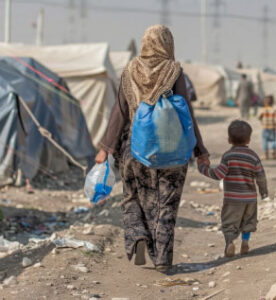
The article examines how host communities in Garissa County, Kenya perceive the socio‑economic impact of refugees living in the Dadaab complex. Using social exchange theory, it explores how hosts weigh the costs and benefits of long-term interaction with refugees. Data was gathered through interviews and focus groups with local residents, complemented by secondary sources. Findings show that despite historical marginalization, hosts experience significant economic and social gains from refugee presence, including improved infrastructure, access to services, employment, and expanded trade – particularly in livestock, milk, and other goods. Humanitarian agencies have also enhanced water access, education, and health services. However, challenges persist, including competition for jobs, resource pressure, and perceptions of preferential treatment toward refugees. Overall, hosts report that benefits outweigh drawbacks, resulting in largely positive, though nuanced, relations. The study suggests rethinking Kenya’s encampment policy and promoting greater integration for long‑term sustainability.