
2ND BI-ANNUAL NETWORK MEETING OF ACADEMICS IN KENYA
October 1, 2024
FOMREK
2ND BI-ANNUAL NETWORK MEETING OF ACADEMICS IN KENYA
Theme- Realigning and Strengthening of the Research Agenda of the Forced Displacement Research Network in Kenya
Silversprings Hotel, Nairobi
28th–29th October 2024
Introduction
This report details the proceedings of the 2nd Bi-Annual Network Meeting of Academics in Kenya, which was organized by the Kenya Evidence Platform. The meeting convened Kenya-based researchers focusing on forced displacement and practitioners working in the field of forced migration. The initiative aims to create a collaborative network of scholars dedicated to strengthening local and refugee researchers’ ability to impact Kenya’s refugee response framework. The meeting the was a follow up to a first meeting that took place in May 2024.
The meeting commenced with welcoming remarks by Dr. Michael Owiso, who reflected on the previous workshop held in May and highlighted the importance of establishing a sustainable network of forced migration researchers in Kenya. He emphasized on the need for localization on forced migration research and hence called on local researchers to be proactive in generating research-based evidence that would inform policy and program activities by NGOs working with people who are forcefully displaced.
Dr. Owiso introduced Freddie, head of the Regional Durable Solutions Secretariat (ReDSS), who provided an overview of ReDSS’s structure and purpose. Freddie said that ReDSS is hosted by the Danish Refugee Council (DRC), and unites 14 organizations committed to improving outcomes for forcibly displaced people through multi-actor collaboration and evidence-based solutions. Freddie underscored the inadequacies of current displacement programs which he said are rooted in discussions dating back to the 1960s and 1970s, and emphasized the importance of accessible, locally-relevant research to drive effective responses.
Risia Magwanda from the Refugee-Led Research Hub (RLRH), affiliated with Oxford University’s Refugee Studies Centre, elaborated on the hub’s initiatives, which include research on forced displacement, student placements, and social events fostering dialogue on refugee issues.
Participants were invited to introduce themselves and share their expectations, with many expressing a strong desire to contribute to a network poised to shape policies and humanitarian interventions through evidence-based research.
After introductions, Dr. Benard Musembi recapped key proceedings from the first Bi-Annual Network Meeting. This was followed by a validation session chaired by Dr. Busolo Wegesa, with additional confirmations by Dr. Opondo and Mohammed from RLRH. Freddie of ReDSS voiced his support for the network’s establishment and further encouraged members to take collective ownership in order to faciliate its growth.
Afterwards, Dr. Lucy Hovil presented findings from a study mapping forced migration research in Kenya. Her research highlighted that much of the available literature is produced by non-locals and remains inaccessible locally. She categorized forced migration research in Kenya into five thematic pillars:
- Refugee Governance Structures and Frameworks
- Integration Services
- Socio-Economic Inclusion in Refugee-Hosting Areas
- Environmental Sustainability
- Durable Solutions
Participants positively received the report and recognized the critical role of local researchers in producing relevant, policy-informing studies.
Figure 1: Dr Owiso engaging with Mohamed from RLRH
In the subsequent session, Prof. Nyambedha guided the formation of working groups, which are structured along the five pillars. Participants were asked to join any working group. Each group was tasked with coming up with specific activities that they would undertake in order to make the network active.
On the second day, Dr. Paul Opondo and Dr. Busolo Wegesa started by presenting a draft of the Network’s Vision, Mission, and Structure. During the first meeting in May, Dr Busolo and Dr. Opondo had been tasked with coming with a report outlining the nature of the network. The report was refined based on participant feedback. As part of the deliberations, members selected “Forced Migration Research Network, Kenya” (FOMREK) as the official name for the network.
Afterwards, Dulo Nyaoro facilitated a planning session where participants projected activities for the next six months. To make the network active, members proposed that the network should organize a series of Dissemination Workshops and Learning Workshops for research sharing and capacity building. A yearly schedule was developed, with virtual seminars scheduled bi-monthly on the second Tuesday from 3:00 to 4:30 pm, beginning in December.
As way forward, each working group was asked to meet and agree on the activities that they would undertake in order to grew the network.
The 2nd Bi-Annual Network Meeting succeeded in further unifying Kenyan researchers on forced displacement and provided a solid framework for ongoing collaboration, capacity building, and evidence-based policy influence.
Day Three
Day three was marked two key events, namely:
- The Launch the Network.
- Award ceremony for Students
Launch of the Forced Migration Research Network- Kenya (FOMREK).
The network was officially launched by Prof. Julius Nyabundi, Vice-Chancellor of Maseno University. Distinguished representatives from ReDSS, Department of Refugee Affairs, Maseno University, Moi University, UNHCR, RLRH, Refugee International, National Defence University, and Masinde Muliro University of Science and Technology, amongst others attended the launch.
All speakers pledged their support to the network and encouraged members to actively grow the network since forced migration was a key issue in the region.
Figure 2: The VC, Maseno University, Prof. Julius Nyabundi launching the network
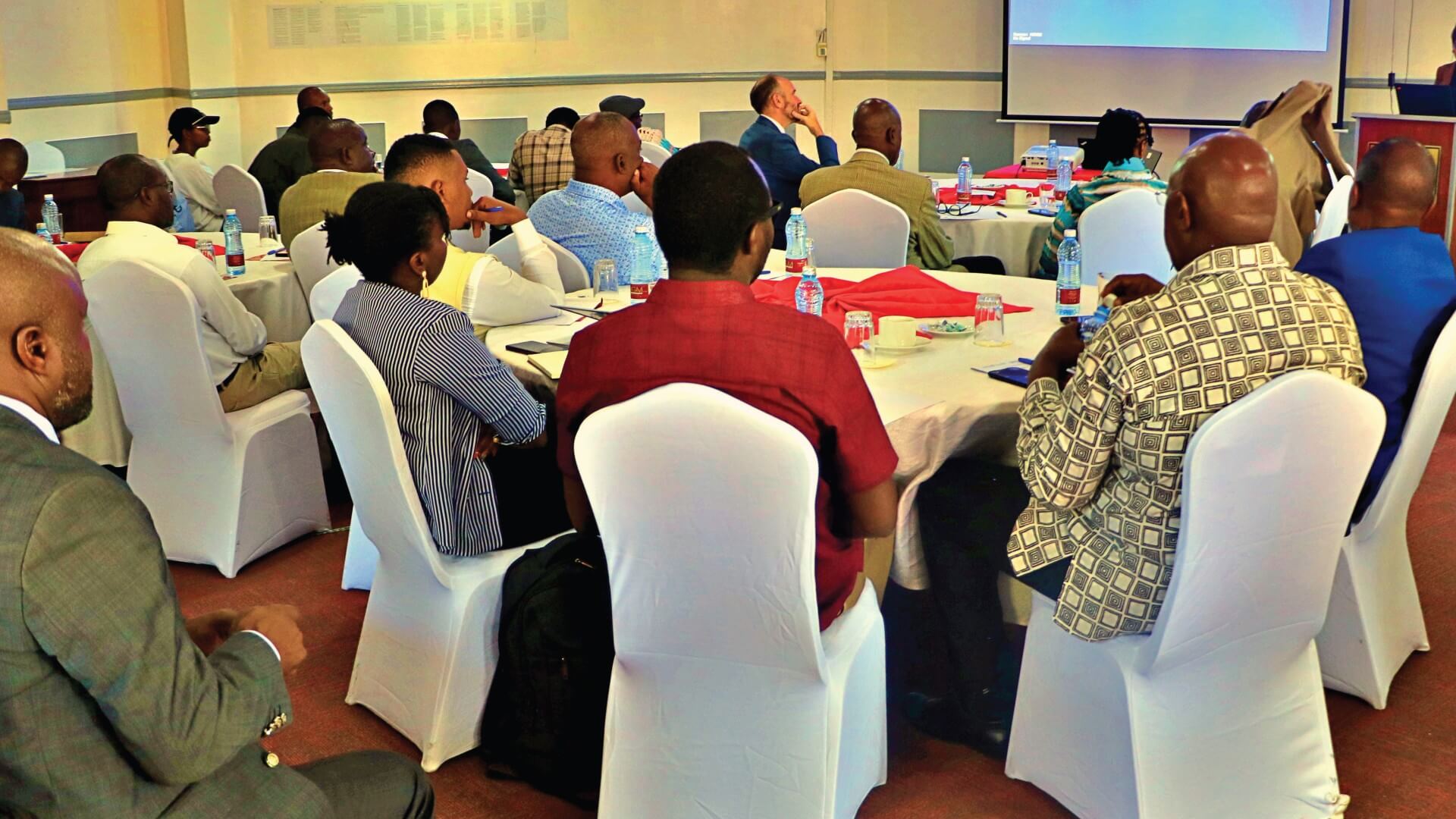
Figure 3: Participants following proceedings
Award Ceremony for Student Competition
In order to inspire interest in forced displacement issues among young Kenyans, an essay and poetry competition was organized. There were over 40 entries nationwide. A panel of judges was selected and then chose three winders for each category. Winners received awards presented by the Deputy Director of the Department of Refugee Services. The prizes were structured as follow, Ksh 10,000 for first place, Ksh 5,000 for second place, and Ksh 3,000 for third place in each category. All winners were asked to read their poems and essay to other participants.
Figure 4: Some of the winners receiving their awards